
Prepare for medical equipment delivery with a receiving-site checklist covering access, unloading, contacts, storage and document handover.
A medical equipment delivery can reach the correct address while the people and arrangements needed to receive it are still missing. The entrance may be closed, the receiving contact may be elsewhere, or the quotation may cover transport only to a different handover point. A receiving-site checklist helps purchasing, facilities and the supplier describe what will happen when the shipment arrives. Prepare it before confirming the collection and delivery arrangements, then review it when the equipment package or arrival window changes. This guide focuses on coordination at the destination, from the named entrance to the handover of the package and its records.
Name the actual handover point
Give the supplier the facility name, full address, building, entrance and agreed delivery point. An address shared by several buildings is not enough to tell a driver where the receiving team will be waiting. Ask whether the quoted service ends at a loading area, reception desk, storage room or another named point. Put that answer in the delivery brief and refer to the accepted quotation. For example, a fictional clinic could use its public entrance for visitors but a separate service entrance for equipment deliveries. A clear written instruction avoids treating those two entrances as interchangeable. Include a contact method for arrival and identify who can approve a change to the handover point.
Give each receiving task a named owner
Choose a receiving coordinator and a backup who can be contacted during the agreed arrival window. List the people responsible for access, unloading coordination, package receipt and the later technical handover. Several tasks may belong to one person, but each needs an explicit answer. Share the relevant contact details with the transport provider and supplier through the agreed channel. Check whether reception or security staff need advance notice, a delivery reference or a visitor arrangement. A contact list should explain what each person can decide; someone available by telephone may not be authorised to approve additional work. Resolve that question before an unexpected change requires a decision at the entrance.
Review the route using packed dimensions
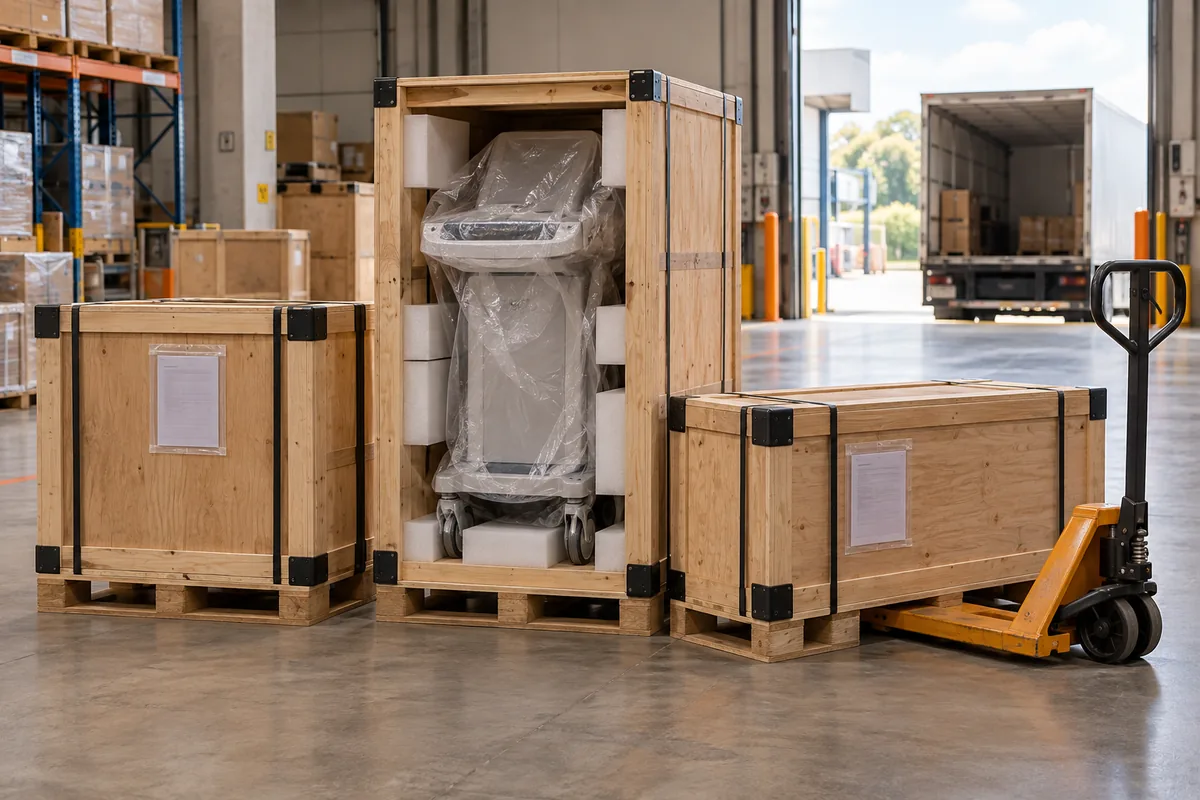
Ask the party preparing the shipment for the package dimensions, weights and number of pieces. The dimensions of an unpacked device do not describe a crate, pallet or proposed transport arrangement. Give the package information to the facility team that reviews the delivery route. Ask them to check the relevant entrances, passageways, lifts and destination access against their own procedures and any applicable constraints. Record unresolved points and the person reviewing them. Do not supply guessed clearances or assume that a route used for a previous purchase will suit the new package. If a restriction is identified, discuss the alternative arrangement with the responsible parties before collection rather than improvising when the shipment arrives.
Confirm the arrival window and access arrangements
State when deliveries can be received and how arrival will be announced. Ask the transport provider how the expected window will be confirmed and who receives an update if the schedule changes. Record any booking, entrance or parking arrangements needed by the facility. Keep an estimated arrival separate from an agreed receiving appointment so staff know what still needs confirmation. Review whether the receiving contact, access permission and required support will be available together. If delivery outside the usual window is proposed, ask the facility to confirm the arrangement in writing. The brief should contain a practical contact and decision path for a delay, rather than relying on a general statement that somebody will be there.
Agree unloading and internal movement as a scope
Ask which party provides the unloading service, the personnel involved and the suitable handling arrangement. Then ask who is responsible for movement from the delivery point to the agreed storage or destination location. Describe these tasks in the quotation or associated delivery scope, including work that is excluded or awaiting a separate arrangement. This is a question for the parties planning and performing the work, not a request for purchasing staff to devise a lifting method. If equipment, site access or packing changes, have the responsible people review the plan again. A freight price should not lead the buyer to assume that every movement inside the building has also been agreed.
Choose a receiving location and document its purpose
Identify where the package will be placed after receipt and who controls access to that location. Ask the supplier for the relevant manufacturer guidance and any agreed storage or handling instructions, then have the facility team review the proposed arrangements. Keep sealed-package storage, unpacking and installation plans clear in the brief. An available corner of a corridor is not automatically the agreed destination. Record who will arrange the next movement and what information they need. If the intended room is not yet available, discuss the temporary arrangement before delivery and obtain the necessary review. Avoid treating a temporary storage decision as confirmation that the device is ready to be installed or used.
Prepare the documents for receipt and technical handover
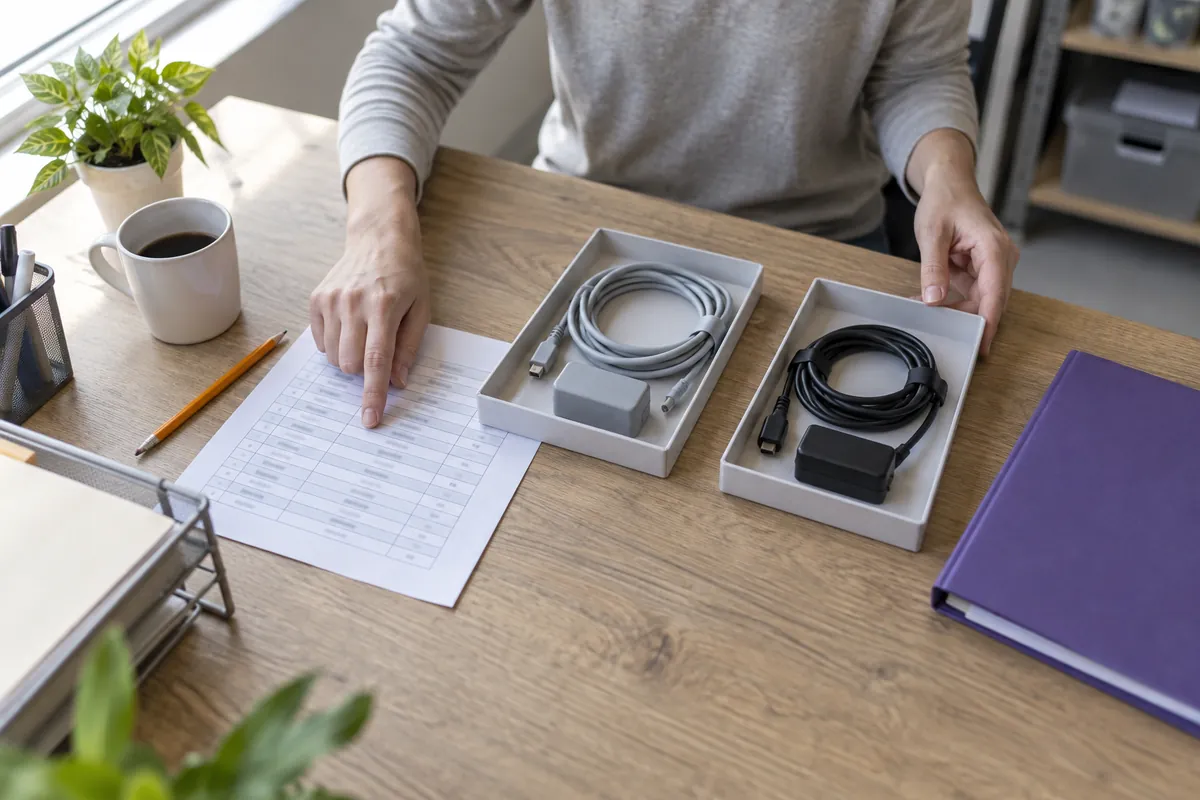
Request the agreed packing list, shipment reference, equipment schedule and other documents identified in the order. Give the receiving team access to the current versions before the expected arrival. Ask how separate boxes and accessories will be matched to the package list, and which documents should be passed to the person responsible for the technical handover. Record the supplier contact for missing information. Package receipt and technical acceptance may involve different people and stages; describe both responsibilities in the brief. Follow the agreed contract and facility process when recording receipt or discrepancies. A checklist can help organise the records, but it should not invent contractual terms or replace the responsible reviewer.
Plan how changed details and exceptions will be handled
Keep a dated version of the receiving brief with the quotation and shipment records. A change to the arrival window, crate size, destination room or contact person should trigger a review of the affected arrangements. For a fictional example, suppose a facility has booked one entrance but later learns that a revised package needs a different route. The coordinator would obtain the new package information, request a facilities review and confirm the revised delivery instructions with the transport provider. They would also tell the receiving team which brief is current. For unexpected shortages or visible damage, use the agreed reporting process, record the observations and contact the responsible parties rather than guessing the next step.
Send one final receiving-site brief before dispatch
Bring the confirmed delivery point, contacts, arrival arrangements, package information, movement responsibilities and document list into one concise brief. Mark open questions clearly, with an owner and a date for the next response. Share the current version with the supplier and the people receiving the shipment. Ask for acknowledgement where the plan depends on a specific service or site arrangement. When contacting beIN Meditech, include your intended receiving location and the delivery scope you want quoted alongside the requested equipment configuration. This helps the conversation cover the complete handover requirement. The final technical review, installation arrangements and acceptance steps should remain with the responsible people at the facility.
Enquiry checklist
- Named building, entrance and contractual handover point
- Receiving coordinator, backup and decision responsibilities
- Confirmed packed dimensions, weights and package count
- Facility review of the route and unresolved restrictions
- Arrival window and access arrangements
- Agreed unloading and internal movement scope
- Reviewed receiving or temporary storage location
- Current package list and technical handover documents
- A dated brief with open-item owners and a change process
From reading to the right equipment
Explore the equipment in this guide or discuss your requirements with our team.