Ultrasound
What to Include in an Ultrasound Equipment Enquiry
Build an ultrasound RFQ around examinations, probes, installed options and the evidence needed to compare complete offers.
Explore ultrasound, endoscopy and patient-monitoring buying guides. Understand configurations, accessories and the questions to ask suppliers.
A model name is only the beginning of an equipment specification. Explore each system family to understand the configuration, components and supporting evidence that make quotations comparable.
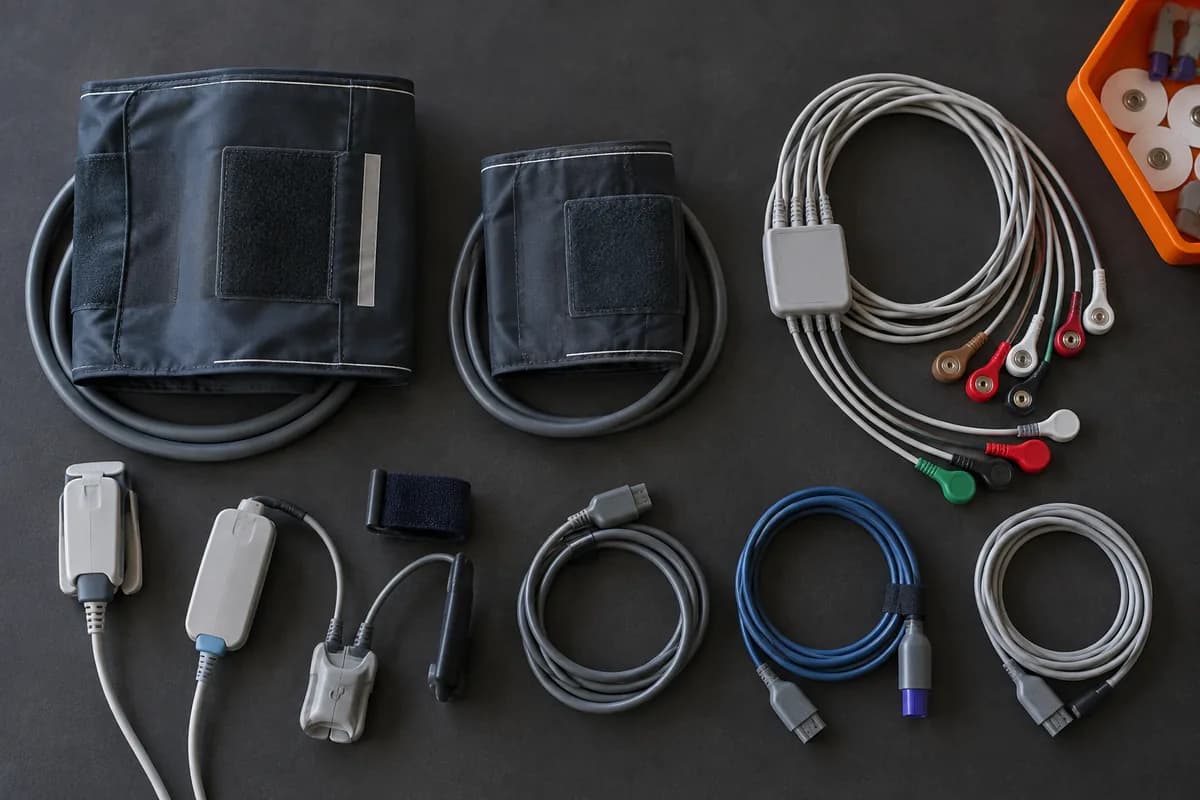
A main unit may need probes, scopes, measurement modules, cables, mounts or software to perform the requested work. List these separately and ask whether they are supplied, optional or already owned by your facility. The equipment topics below focus on these boundaries so missing components can be identified before ordering.
Clinical users define the examinations or measurements they require. Biomedical engineering reviews condition and serviceability. IT reviews connectivity where relevant, and purchasing records the agreed commercial scope. Keep their questions together in one specification so a change made by one team is visible to the others.
6 articles
Build an ultrasound RFQ around examinations, probes, installed options and the evidence needed to compare complete offers.
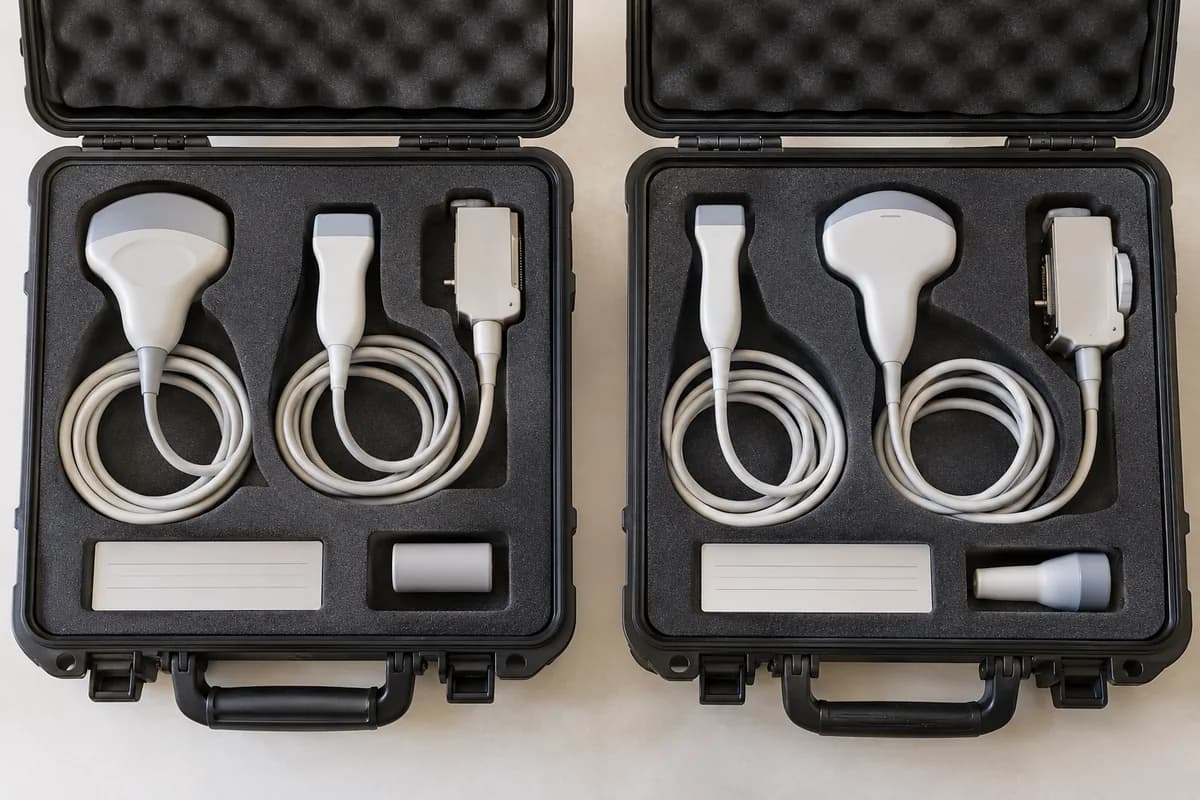
Compare ultrasound offers using probe identity, compatibility evidence, included quantities and condition records rather than probe count alone.
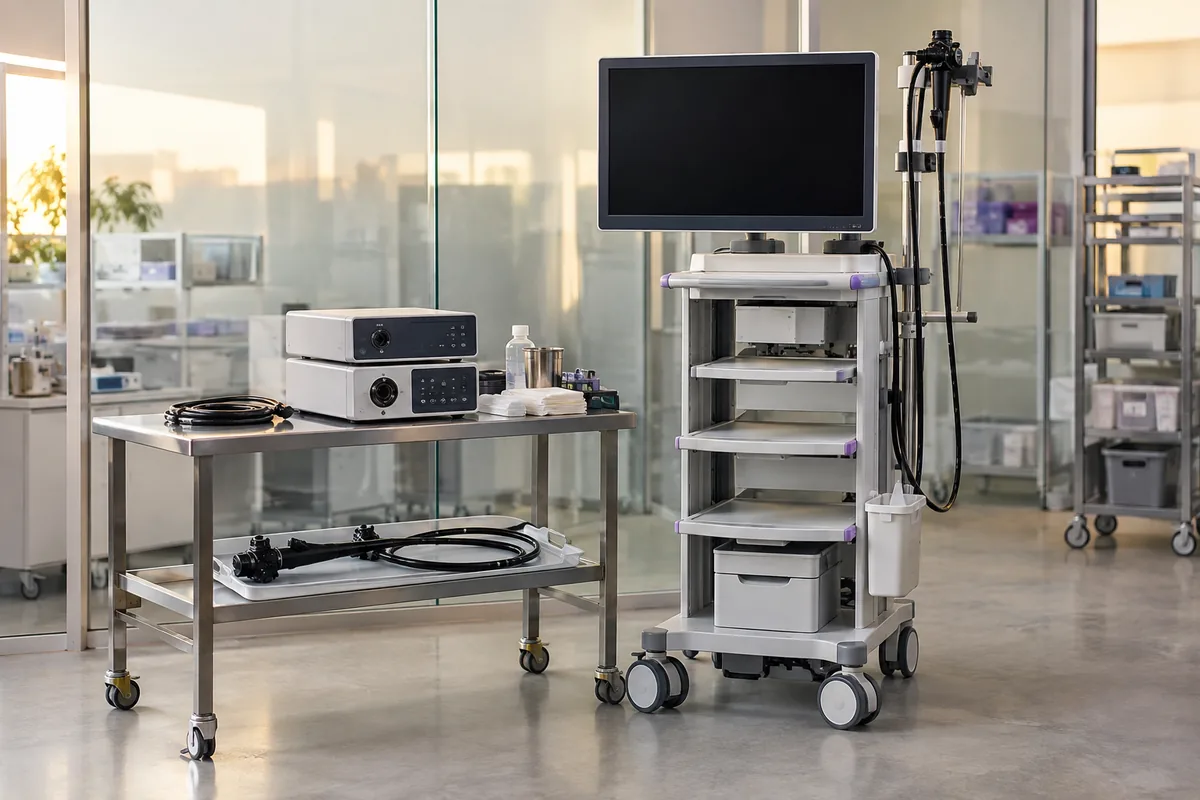
Use a component-by-component scope to compare endoscopy tower offers and identify omitted scopes, displays, accessories or service work.
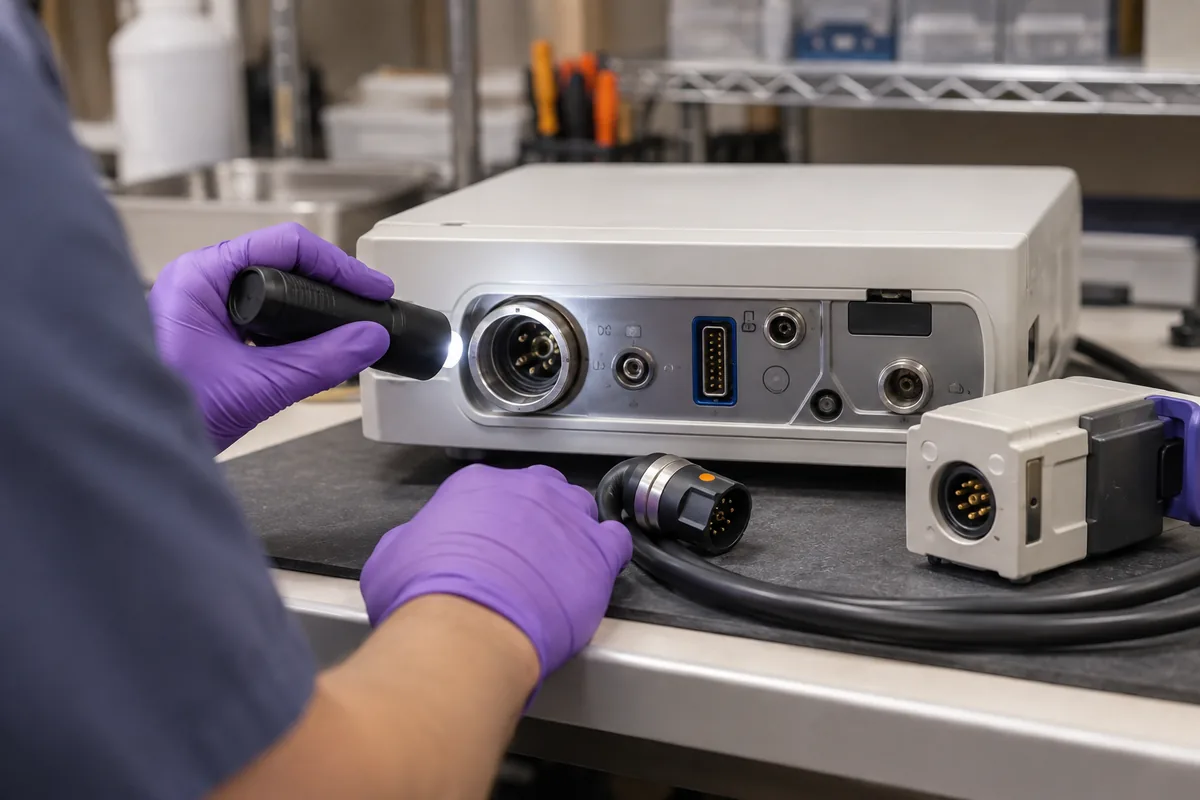
Identify the installed system, replacement component and evidence needed for a focused endoscopy sourcing enquiry.
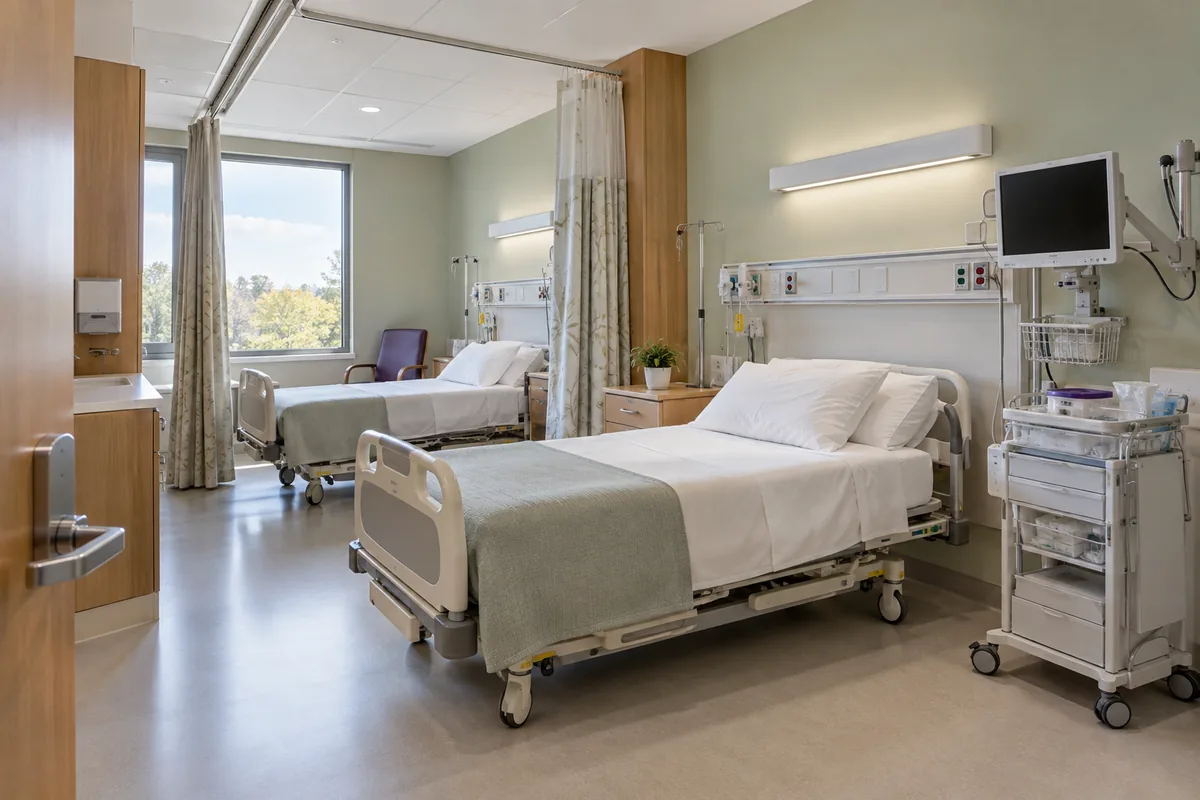
Prepare a patient-monitor specification covering required measurements, modules, accessories, mounting and existing-system connections.
Build a monitor accessory schedule that exposes missing cables, sensors, mounts and configuration assumptions before purchase.
Explore the equipment in this guide or discuss your requirements with our team.