
Compare equipment offers on a consistent basis covering configuration, excluded costs, validity and delivery responsibilities.
The lowest headline price may describe a smaller package. A fair medical equipment quotation comparison begins with a shared specification and a list of the work required to deliver the agreed equipment to the buyer. Bring the clinical, technical and purchasing questions into one document before ranking offers. The purpose is not to create a complicated scoring system: it is to make omissions, assumptions and unresolved decisions visible before anyone commits to an order.
Start with one version of the requirement
Give every supplier the same dated brief. Include the intended department, requested equipment, quantity, accessories, condition preference and delivery location. Separate essential requirements from preferences so an attractive optional feature does not distract from a missing essential item. Assign a version number to the brief and retain earlier versions when your team changes its requirements. Ask suppliers to identify the version they used. Otherwise, one offer might answer the original enquiry while another answers a later conversation, making their totals appear comparable when their scope is different. Nominate one purchasing contact to collect clarifications and distribute the agreed changes consistently. The WHO procurement process resource guide (opens in a new tab) (2011) provides background on medical-device purchasing. Use this framework for general procurement context, not as proof of supplier stock, certification or destination-specific import rules.
Align the technical scope before comparing totals
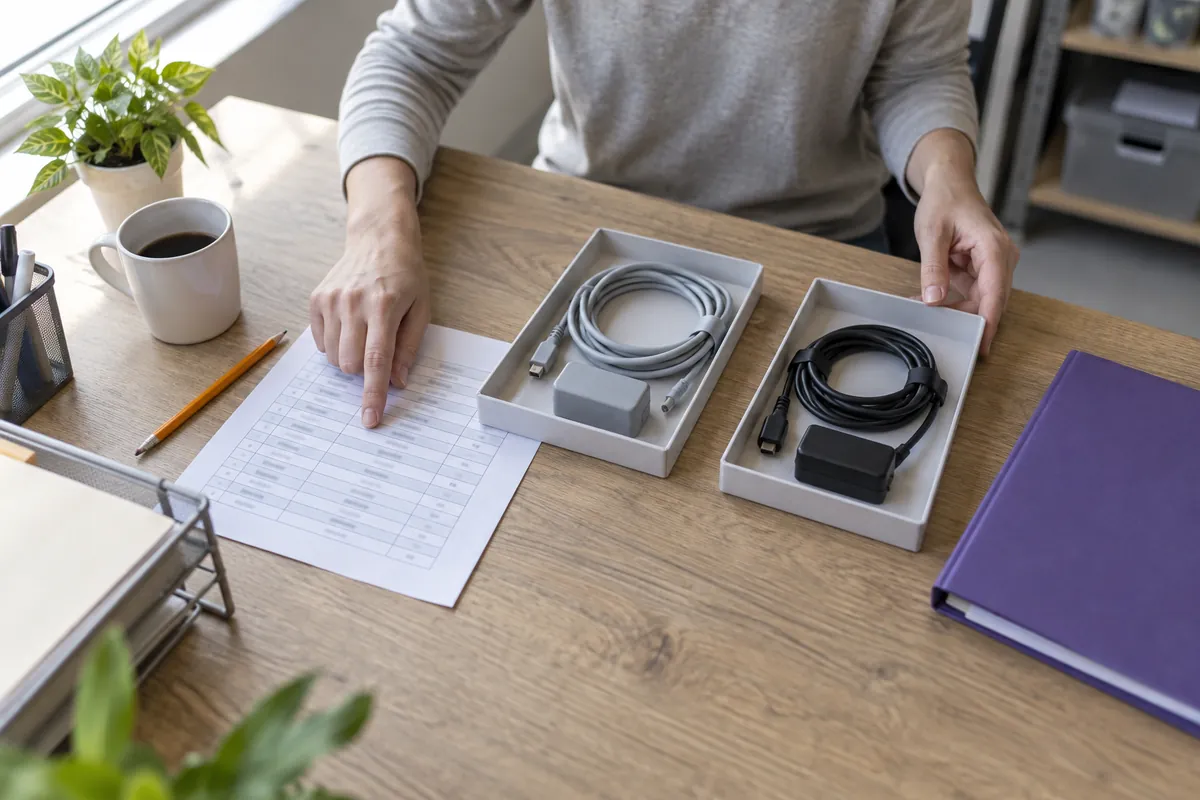
Create one comparison row for each meaningful component. For an ultrasound enquiry, that could mean the console, each requested probe, installed options, printer and trolley accessories. For another category, use the component list agreed by the responsible technical reviewer. Record exact model codes where available rather than relying on a family name or a photograph. Mark each line as included, excluded, optional or awaiting confirmation. An empty cell should remain unknown, not become included by assumption. Ask the clinical or technical team to assess proposed substitutions, and record the outcome separately from the commercial comparison. This avoids quietly treating different configurations as equivalent.
Match the evidence to the particular equipment
Keep current photographs, identification details, configuration lists and available assessment records beside the offer they support. A general brochure describes a product range; it does not establish the condition or installed options of a particular used unit. If the supplier changes the proposed equipment, request a revised evidence pack and quotation reference. Record unavailable documents clearly and ask the relevant reviewer what further information is needed. Do not interpret a polished presentation, a familiar manufacturer name or a condition label as proof that all technical questions have been answered. Purchasing can track the evidence without attempting to replace a qualified technical assessment.
Separate the equipment price from the surrounding work
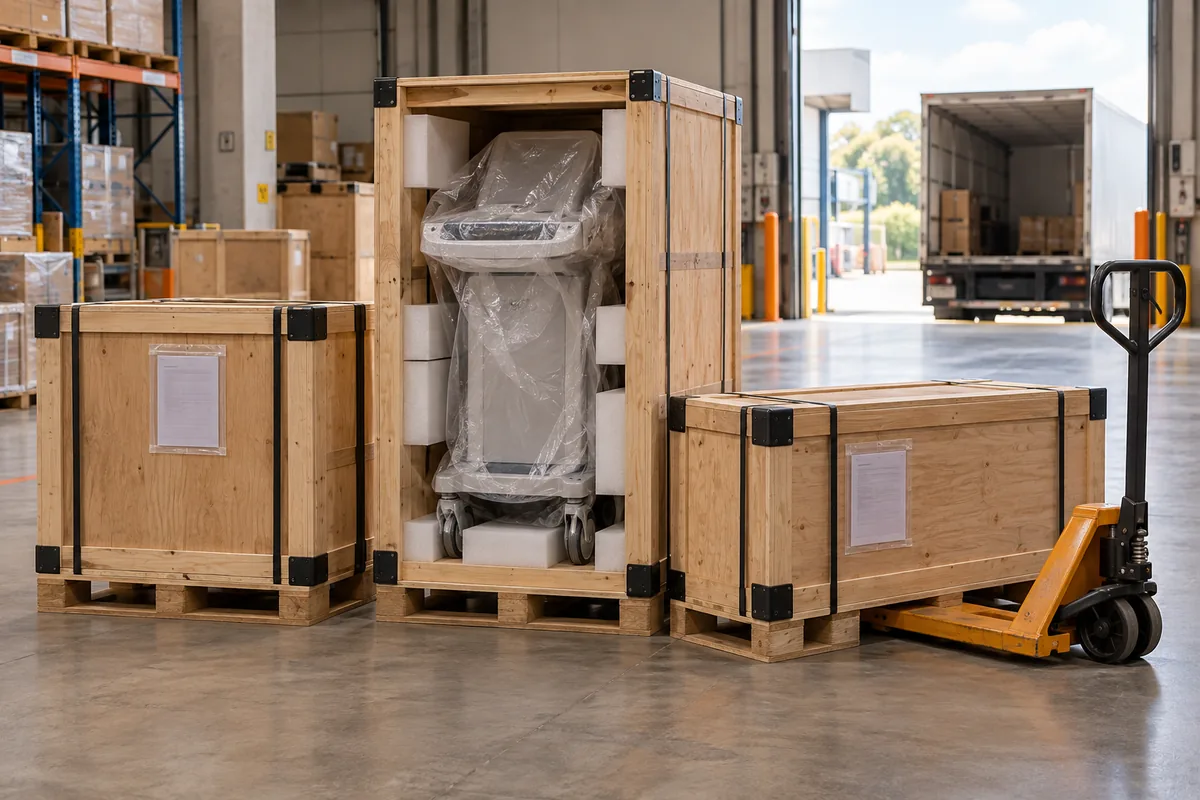
Use separate lines for equipment, accessories, packing, freight, assessment, installation, user orientation and agreed support. Record the currency and whether each amount is fixed, provisional or excluded. A delivered quotation should identify the named handover location and explain which transport and receiving tasks are included. Ask the responsible importer or adviser to clarify destination charges and requirements instead of inserting assumed percentages into the comparison. If one supplier includes a service and another leaves it open, keep the difference visible until it has been priced or deliberately accepted. Avoid presenting an incomplete total as a final landed cost.
Compare two fictional offers without losing the detail
Consider a purely illustrative situation: Offer A includes a console and two named accessories, while Offer B includes the same console, three accessories and packing. Their headline prices cannot settle the decision because the packages are different. First check whether the third accessory is actually required. Then ask whether packing can be specified consistently for both offers. If the accessory is essential, request a matching addition to Offer A; if it is unnecessary, keep it visible as an extra rather than assigning it automatic value. This example is a comparison method, not a real quotation, price recommendation or claim about available stock.
Distinguish readiness, collection and arrival
Ask what the quoted lead time measures and what must happen before it starts. Equipment that is available for inspection is not necessarily packed and ready for collection. Likewise, an expected arrival date may depend on information or arrangements still required from the buyer. Record the supplier readiness milestone, collection responsibility and receiving contact separately. Include access questions such as unloading, doorways, lift availability and movement to the intended room where they affect the agreed work. Do not turn a provisional estimate into a guaranteed deadline in an internal summary. Keep the original qualification visible to the people making the purchase decision.
Read support terms as a defined scope
If a warranty, installation visit or training session is offered, ask what is covered, who provides it and what exclusions apply. Distinguish an equipment condition description from a promise of future support. Record the contact process and responsibilities for transport or on-site work where these have been agreed. A broad word such as support is not enough to compare two offers. Have the appropriate reviewer assess contractual questions instead of rewriting terms from memory. Where support remains unresolved, label it as an open item and identify the person responsible for obtaining a written answer before acceptance.
Keep a clarification log and a final decision record
Give each unanswered question an owner, date raised, supplier response and status. Refer back to the quotation number and revision so answers do not become detached from the offer. When a response changes the configuration, price or delivery scope, request an updated quotation rather than relying on scattered messages. Before approval, review the last version with the people responsible for technical suitability, commercial terms and receiving arrangements. Save the accepted component list, exclusions, readiness assumptions and unresolved items together. A short decision note should explain why the selected offer fits the requirement and what still needs confirmation, not merely state that it was the cheapest.
Prepare a clearer enquiry for your next comparison
Use the same comparison structure when asking beIN Meditech or another supplier for an offer. Share the equipment category, preferred configuration, condition, included accessories and intended handover location. Add your timing requirement and identify who will review technical questions. If an existing quote is being compared, describe the missing information without sharing unrelated personal or confidential material. Ask for uncertainty to be stated explicitly. A useful response helps your team distinguish confirmed scope from assumptions; it should not require the buyer to infer what is included. Keep the final equipment and commercial decision with the responsible people at your facility.
Enquiry checklist
- One dated requirement shared with all suppliers
- Component-by-component scope with unknowns marked explicitly
- Unit-specific evidence and documented substitutions
- Separate fixed, provisional and excluded costs
- Readiness, collection and receiving responsibilities
- Written support scope and clarification owners
- Approved final quotation revision and decision record
Sources and further reading
- World Health Organization: Procurement process resource guide (2011) (opens in a new tab)
Background on medical-device procurement. This dated framework is not destination-specific import guidance or evidence of supplier stock.
Source checked .
From reading to the right equipment
Explore the equipment in this guide or discuss your requirements with our team.