Quotations & Delivery
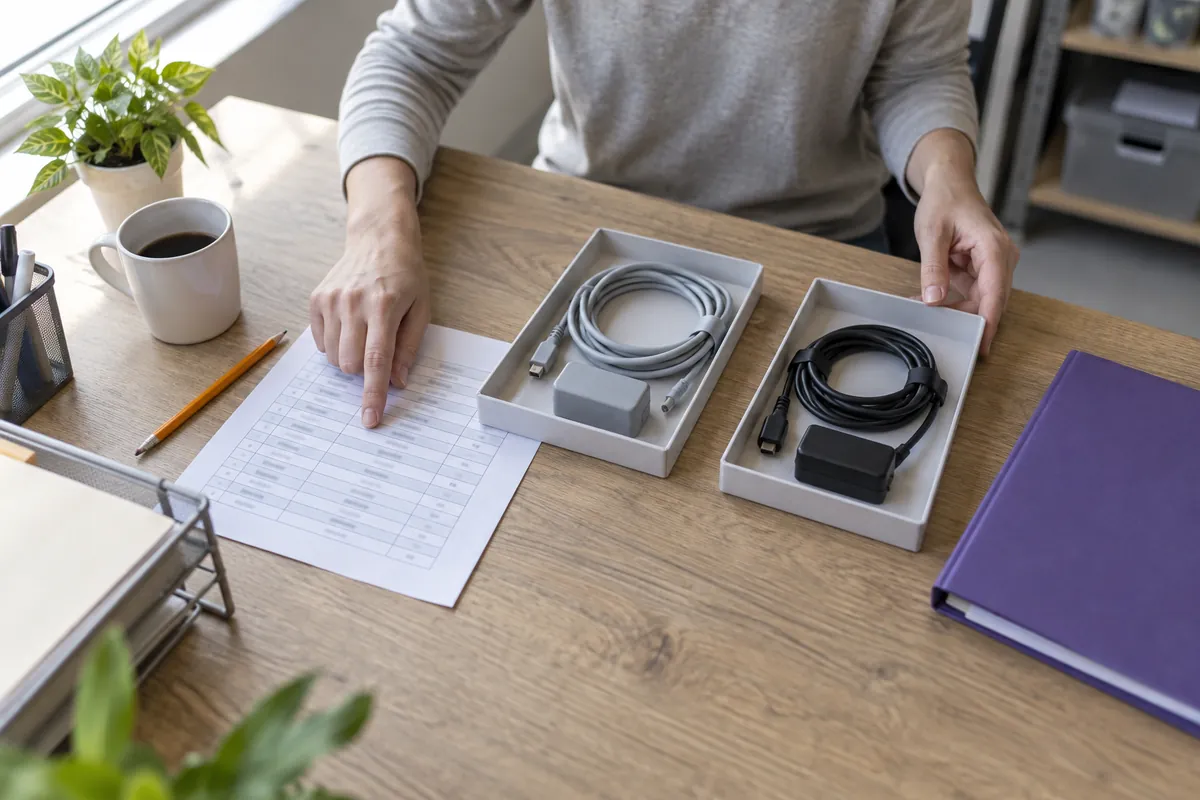
Tracking Medical Equipment Configuration Changes
Keep model substitutions, accessory changes and quotation revisions visible with a practical equipment configuration log and final scope check.
Practical guides to medical equipment, purchasing and healthcare IT. Explore clear buying checklists, configuration questions and handover planning.
Better equipment decisions start with a clear specification. Explore our practical library for hospitals, clinics and distributors: understand the system, compare the complete offer and plan how it will fit into your facility.
The equipment guides explain what belongs in a configuration request. Procurement articles focus on condition, scope and commercial comparison. Healthcare IT articles cover the information needed to connect a system to an existing workflow. Each topic leads to narrower guides, so you can start broadly and follow the question that matters to your purchase.
Record the intended use, required accessories, existing equipment and any unresolved questions as you read. Share these with the people responsible for clinical selection, technical assessment and purchasing. A useful enquiry separates confirmed requirements from preferences and makes it clear which details the supplier still needs to verify.
15 articles
Keep model substitutions, accessory changes and quotation revisions visible with a practical equipment configuration log and final scope check.
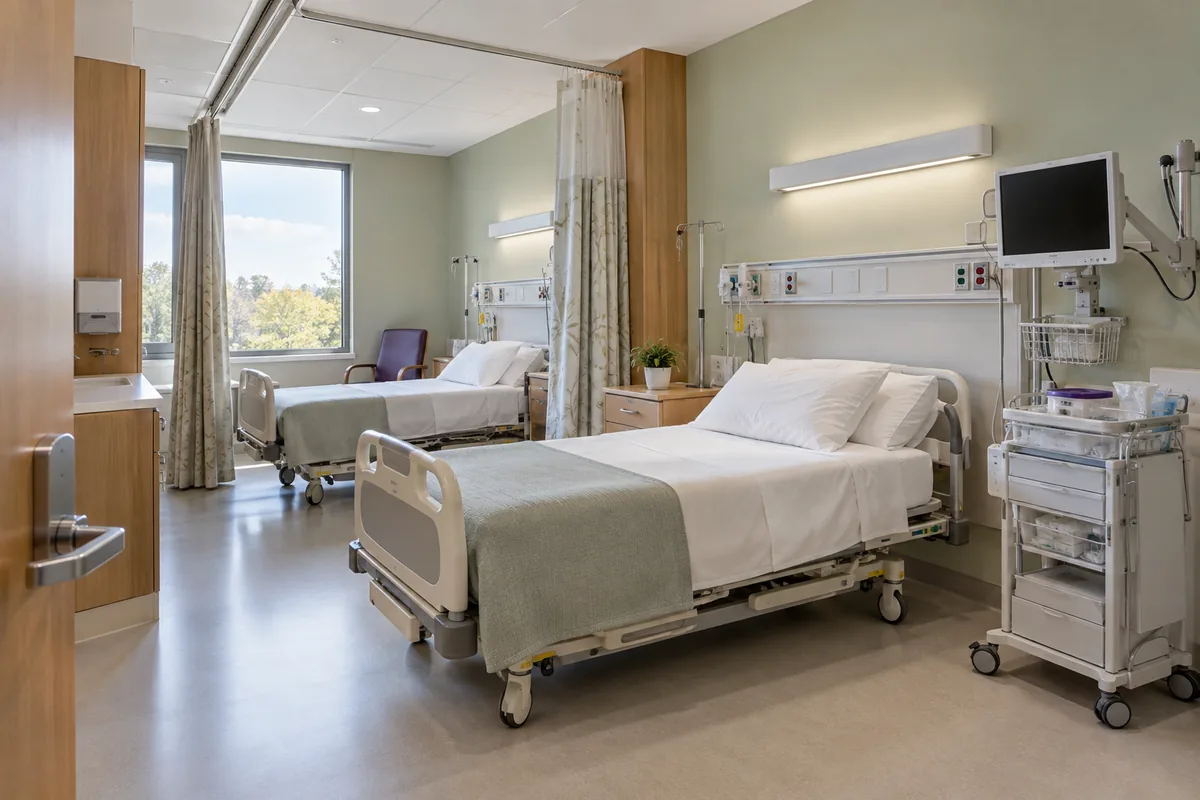
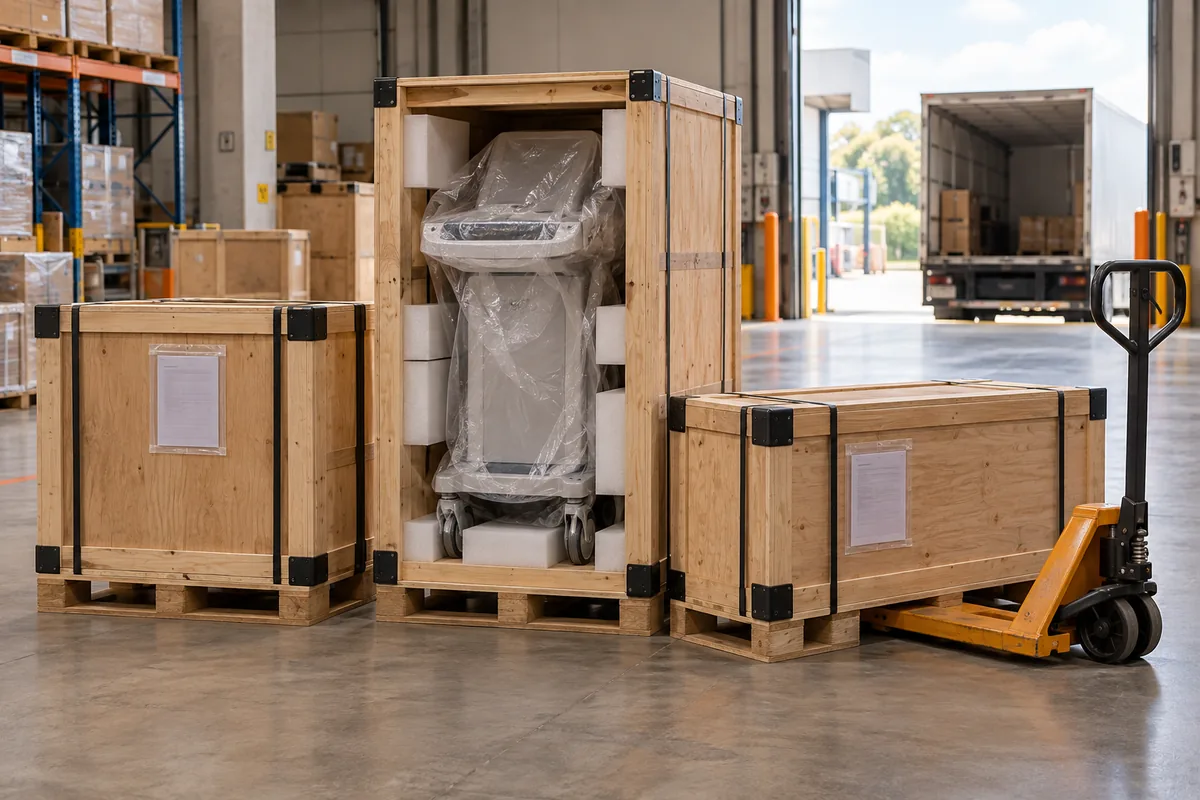
Prepare for medical equipment delivery with a receiving-site checklist covering access, unloading, contacts, storage and document handover.
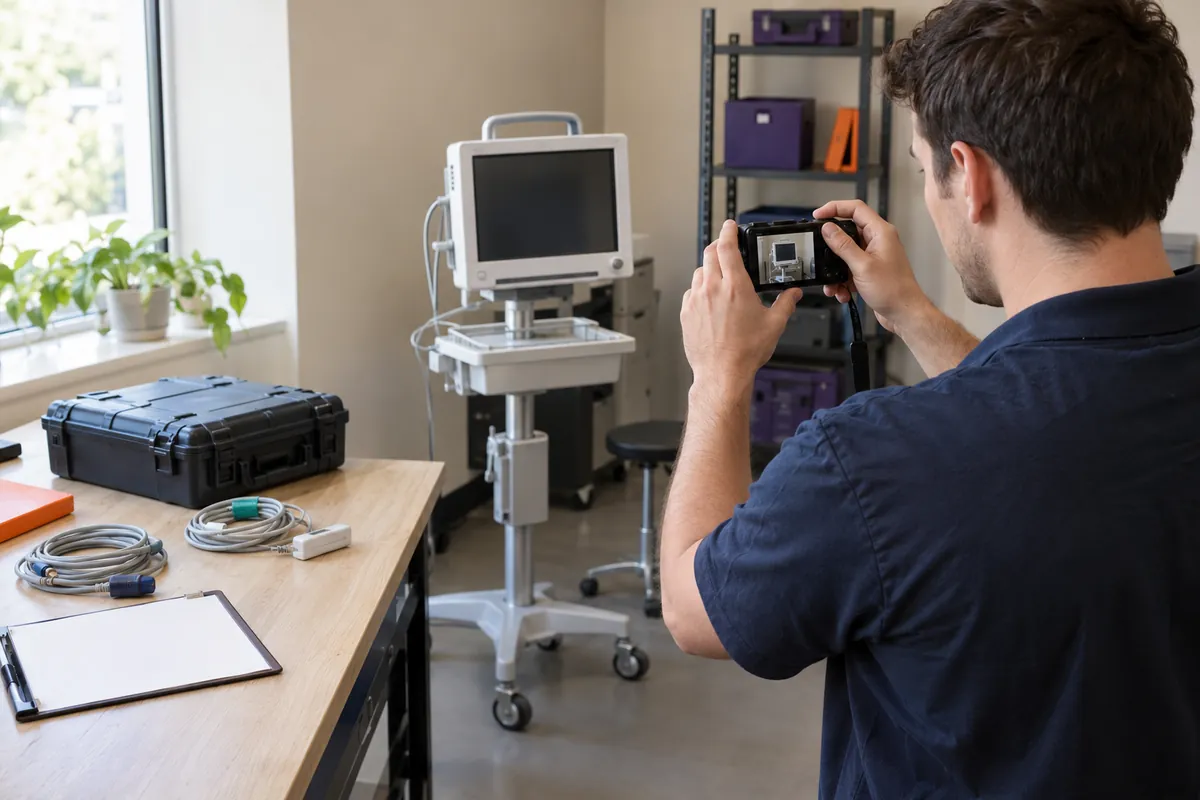
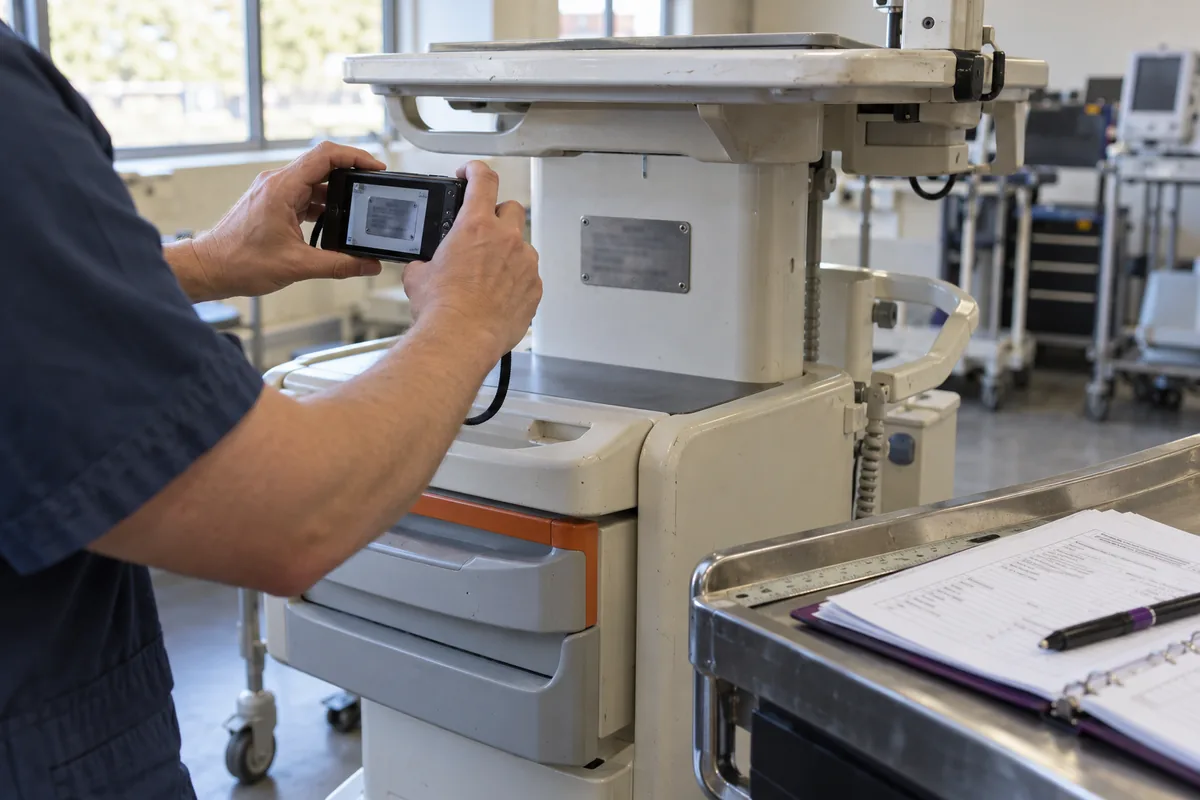
Use a medical equipment photo checklist to review the offered unit, accessories, visible condition and missing evidence before requesting a quotation.
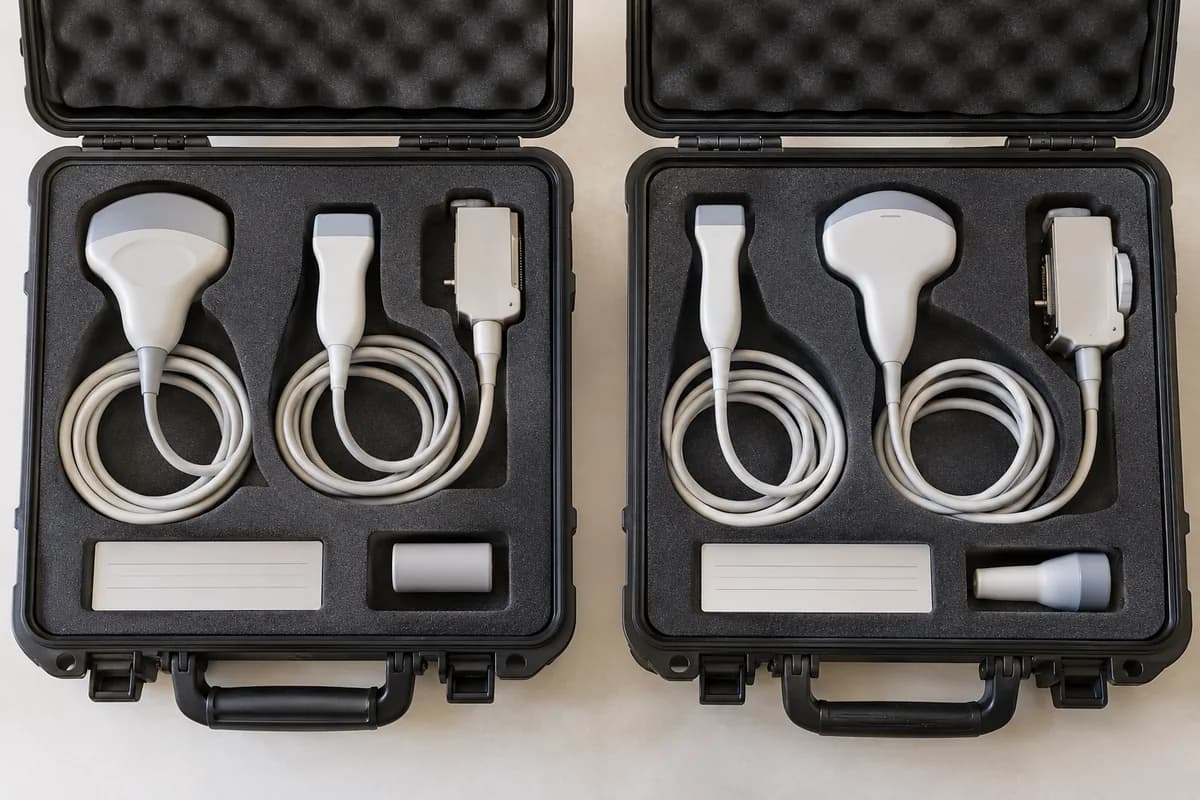
Build an ultrasound RFQ around examinations, probes, installed options and the evidence needed to compare complete offers.
Compare ultrasound offers using probe identity, compatibility evidence, included quantities and condition records rather than probe count alone.
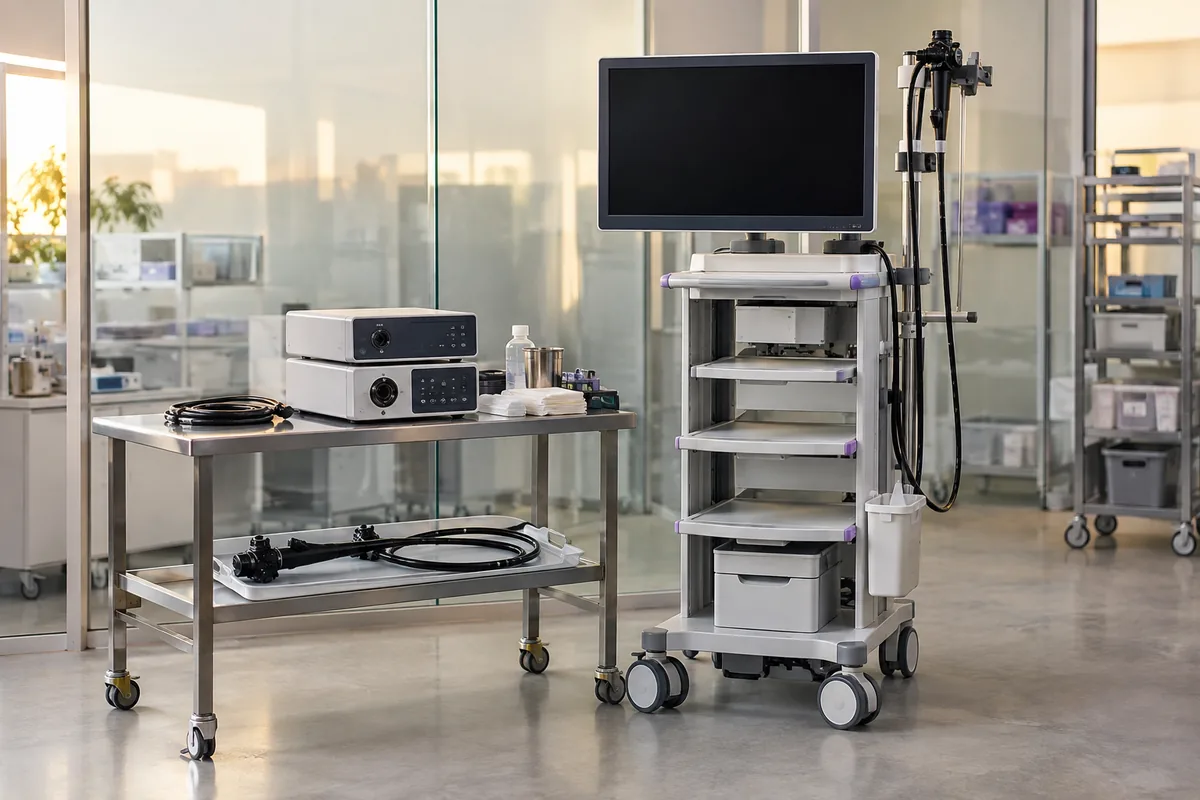
Use a component-by-component scope to compare endoscopy tower offers and identify omitted scopes, displays, accessories or service work.
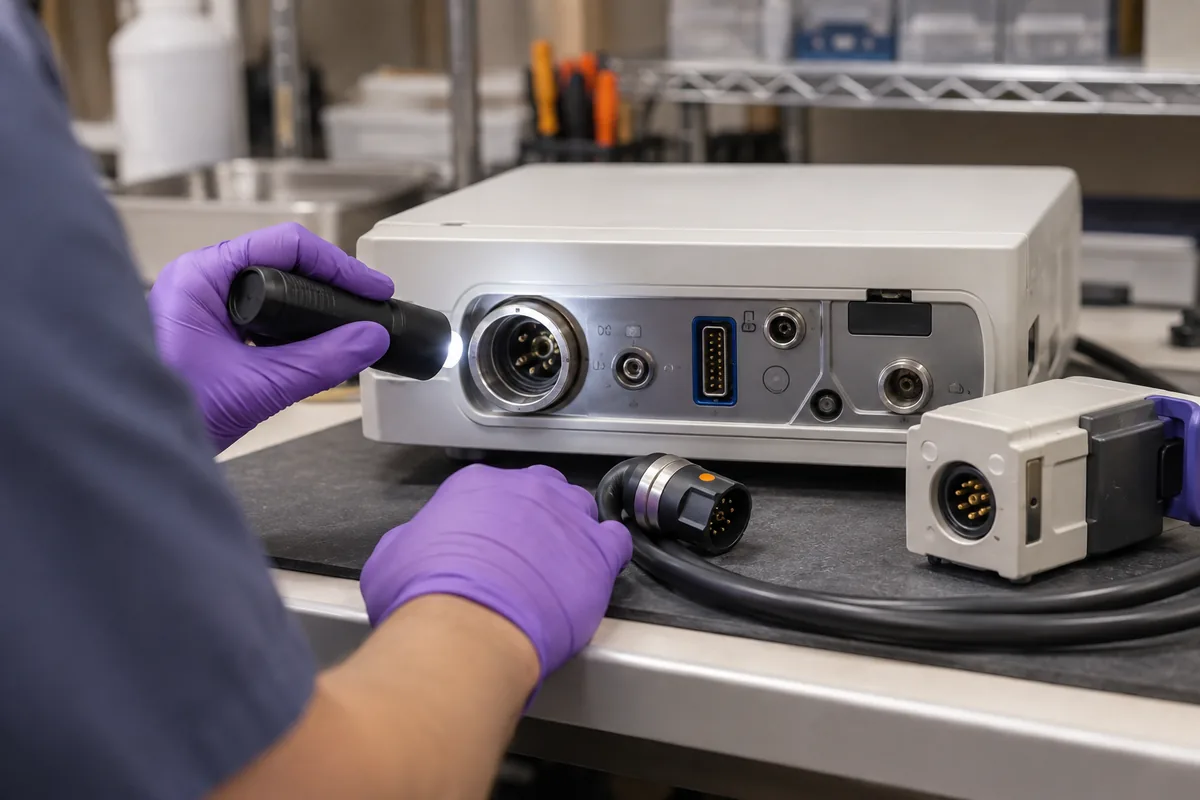
Identify the installed system, replacement component and evidence needed for a focused endoscopy sourcing enquiry.
Prepare a patient-monitor specification covering required measurements, modules, accessories, mounting and existing-system connections.
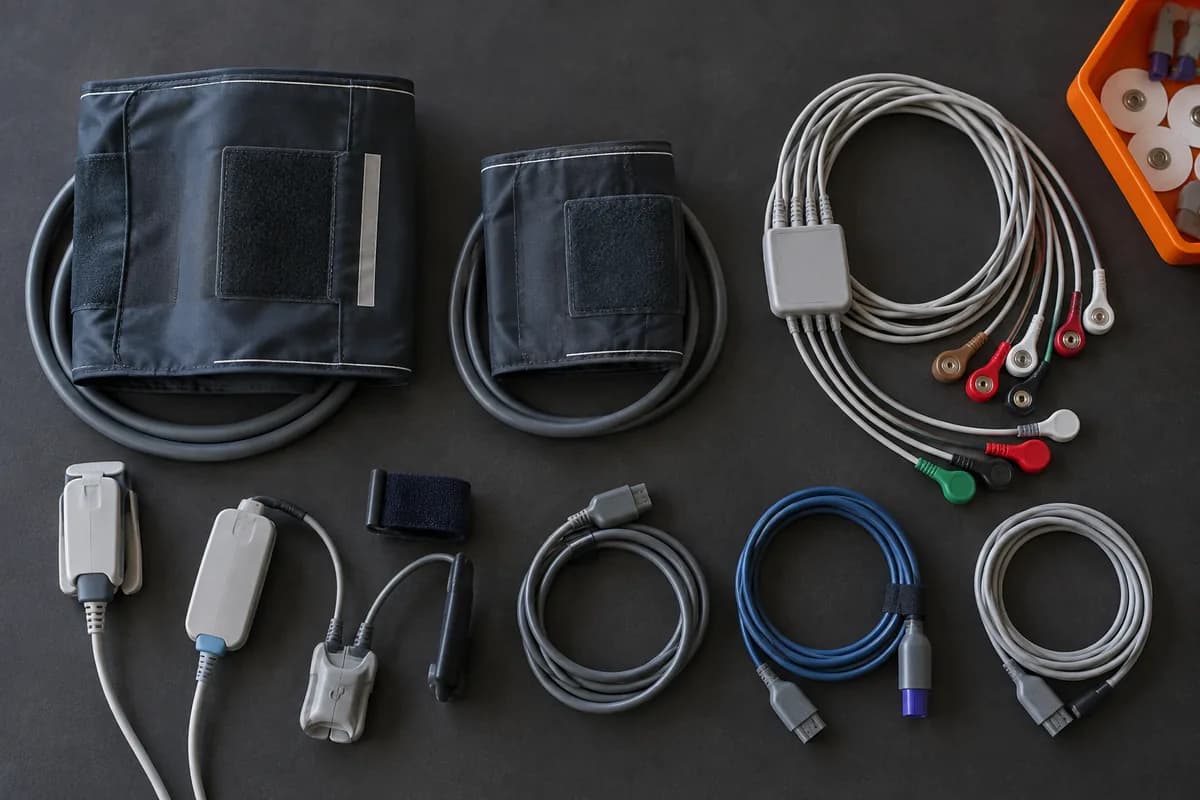
Build a monitor accessory schedule that exposes missing cables, sensors, mounts and configuration assumptions before purchase.
Connect a used medical equipment offer to identifiers, condition records, service information and the exact included package.
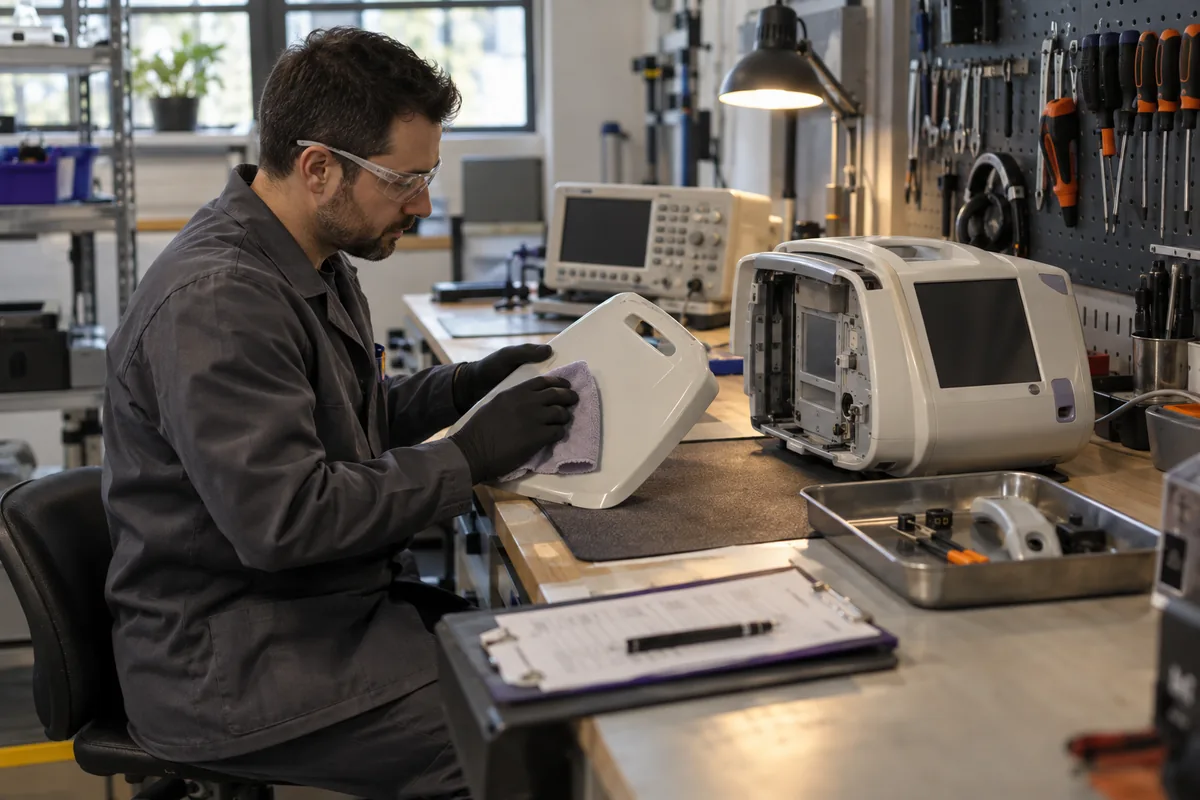
Review used and refurbished medical equipment descriptions by asking for a documented work scope and unit-specific evidence.
Compare equipment offers on a consistent basis covering configuration, excluded costs, validity and delivery responsibilities.
Plan equipment identification, packing scope, shipment documents and receiving-site responsibilities before collection.
Describe existing systems, required information exchanges and ownership of configuration and testing in an equipment integration brief.
Prepare configuration records, acceptance evidence, support ownership and user guidance for connected equipment handover.
Explore the equipment in this guide or discuss your requirements with our team.